


Key Astrological Events in April 2026
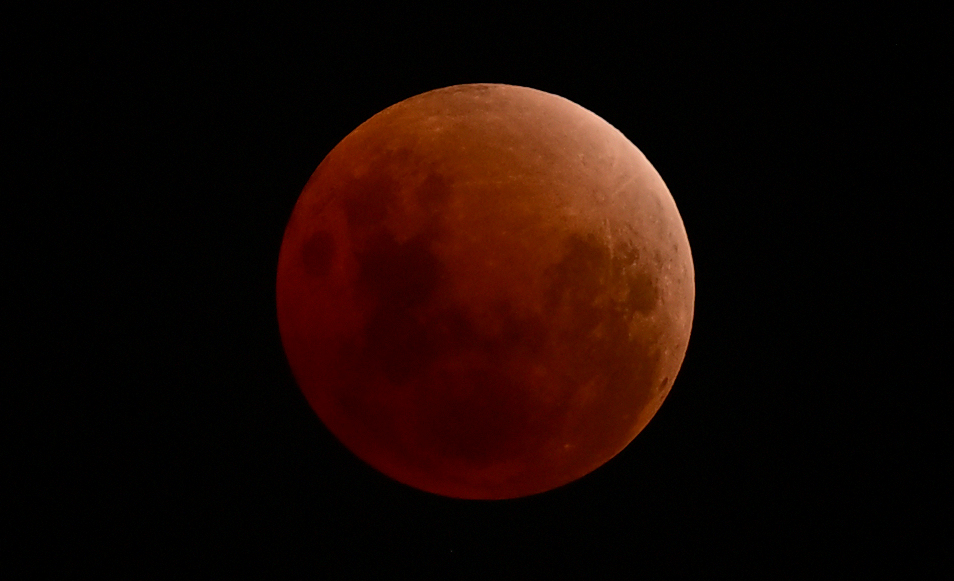
- 6 April 2026 – Full Moon in Libra
- 20 April 2026 – New Moon in Aries
- 20 April 2026 – Sun enters Taurus (start of Taurus season)
- 26 April 2026 – Uranus anaretic in Taurus
These four events define the structure of the April 2026. The Full Moon highlights relationships and balance, the New Moon pushes forward new beginnings, Taurus Season stabilises the pace, and Uranus introduces a longer-term shift that will unfold over years.
| Date | Event | Zodiac Sign |
|---|---|---|
| 6 April 2026 | Full Moon | Libra |
| 20 April 2026 | New Moon | Aries |
| 20 April 2026 | Sun enters Taurus | Taurus |
| 26 April 2026 | Uranus anaretic in Taurus | Taurus |
Full Moon in Libra – 6 April 2026
The Full Moon in Libra brings attention to relationships, agreements, and balance. Libra is concerned with fairness and mutual understanding, so this Full Moon often reveals where situations feel unequal or unresolved.
Full Moons tend to highlight what has already been developing. In this case, the focus is on how individuals relate to others and whether those connections are working in a balanced way. This can lead to decisions, adjustments, or clearer communication.
New Moon in Aries – 20 April 2026
The New Moon in Aries marks a point of initiation. Aries is the first sign of the zodiac and is associated with action, independence, and direct movement forward.
This New Moon supports starting new projects, making clear decisions, and taking control of direction. However, because it occurs shortly after the beginning of the astrological year, the emphasis is on early-stage momentum rather than fully formed plans.
Sun Enters Taurus – 20 April 2026
Also on 20th April, the Sun moves into Taurus, shifting the tone of the month. After the fast-moving and impulsive energy of Aries, Taurus introduces stability, patience, and a focus on long-term value.
This transition slows the pace. Instead of pushing forward rapidly, attention turns to building something that can last. Taurus season encourages consistency, practical thinking, and maintaining what has already begun.
Uranus Approaches Gemini – April 2026
One of the most important longer term shifts developing during April is Uranus moving through the final degrees (anaretic) of Taurus, preparing to enter Gemini in June 2026. Uranus represents change, disruption, and innovation, while Gemini governs communication, information, and learning.
This period acts as a transition phase, where existing systems begin to destabilise before new patterns fully emerge. While the actual ingress has not yet occurred, the influence is already building. This signals an approaching shift toward faster communication systems, new technologies, and changing patterns of thought that will define the next cycle.
What April 2026 Means Overall
April moves through three distinct phases:
- Early month – reflection and adjustment through the Libra Full Moon
- Mid month – renewed momentum through the Aries New Moon
- Late month – stabilisation through Taurus season, followed by disruption from Uranus
This creates a pattern where progress is made, then tested, then reshaped.
The key approach for this month is to act with intention while remaining flexible. New opportunities are present, but not everything will unfold in a predictable way. Some developments will require adjustment as the month progresses.
How to Work With April 2026
Focus on:
- starting new initiatives around the New Moon
- strengthening stability once Taurus season begins
- remaining adaptable as unexpected changes appear
Be cautious of:
- rushing decisions without enough information
- expecting immediate results from early efforts
- resisting changes that require adjustment
April is not a static month. It is a period where direction is established, but outcomes are still evolving.
Sources and References
Astronomical event timing is based on planetary and lunar phase calculations from NASA’s Goddard Space Flight Center, the United States Naval Observatory, and the Jet Propulsion Laboratory Development Ephemeris. Astrological interpretations draw from classical sources including Claudius Ptolemy’s Tetrabiblos, Vettius Valens’ Anthologies, and William Lilly’s Christian Astrology, alongside modern analysis of planetary ingresses and lunar cycles.
 Aries
Aries Taurus
 Gemini
 Cancer
 Leo
Leo Virgo
Virgo Libra
Libra Scorpio
 Sagittarius
 Capricorn
 Aquarius
 Pisces