


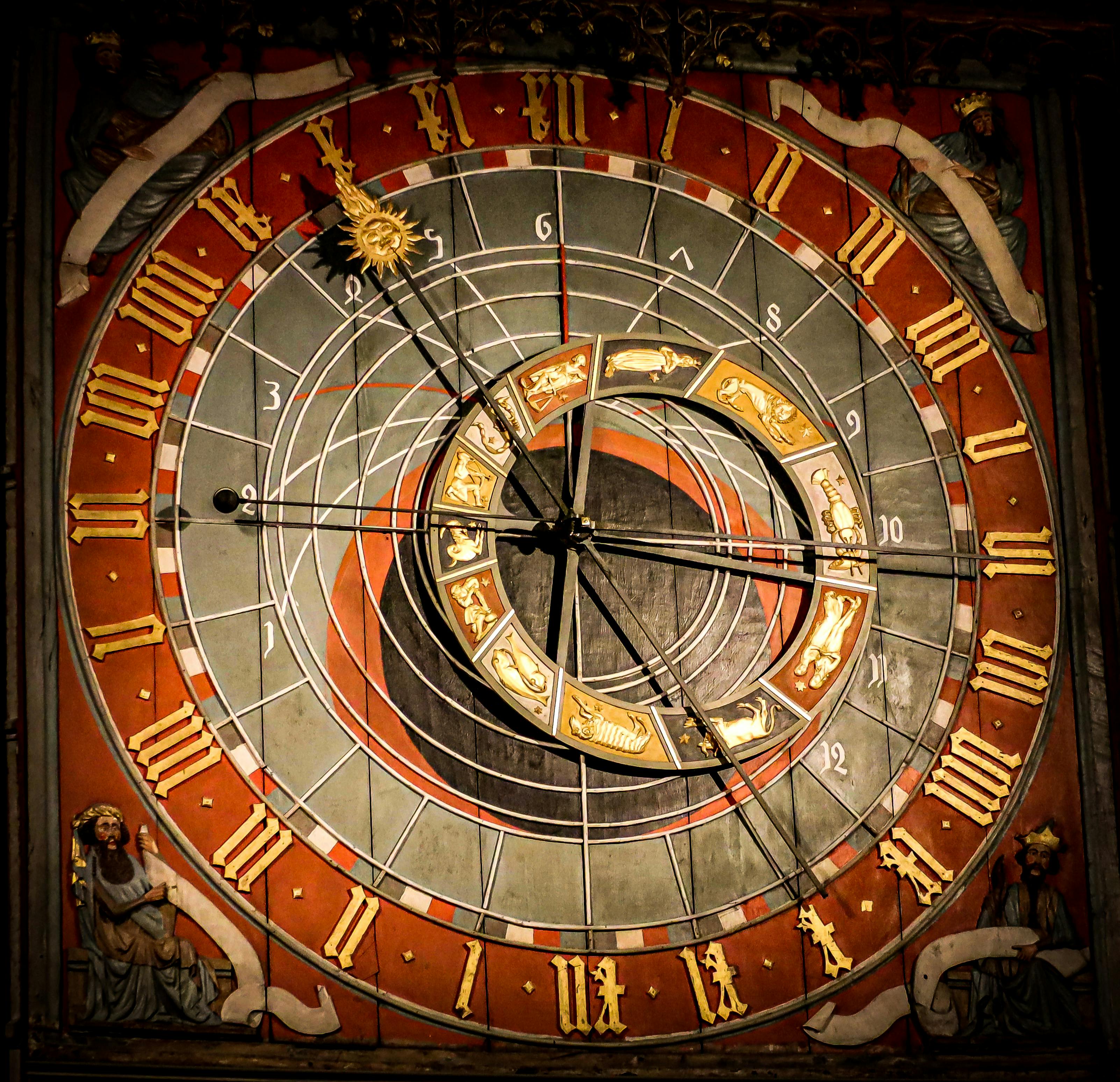
Many people notice that astrology can feel surprisingly accurate. Descriptions seem to match personality, timing appears to line up with real events, and certain patterns repeat. This raises a simple question, why does it feel this way?
The answer is not based on one single factor. It comes from a combination of structured systems, repeating cycles, and pattern recognition. It also helps to understand what astrology can and cannot realistically do, as explained here:
Can Astrology Predict the Future? What It Can and Cannot Do »
Astrology Is Built on Structured Systems
Astrology is not random. It is based on a defined structure that includes planets, zodiac signs, houses, and aspects. Each part has a specific role, and they are combined in consistent ways.
Because of this structure:
- descriptions are not arbitrary
- interpretations follow patterns
- similar charts produce similar themes
This consistency is one reason astrology can feel accurate. It is not making unlimited claims, it is working within a fixed framework.
Patterns and Repetition
Astrology works with cycles. Planets move in predictable patterns, and these movements repeat over time.
This creates:
- recurring phases
- repeating themes
- similar conditions at different points in life
When you observe these patterns over time, you begin to recognise them. This makes astrology feel accurate because it reflects cycles that actually repeat.
Timing and Transits
A key part of astrology is timing. As planets move, they form changing relationships with your birth chart. These are known as transits.
Transits do not create events directly, but they describe the conditions around them.
For example:
- some periods may feel more active or demanding
- others may feel quieter or more reflective
When these periods line up with your experiences, astrology appears to be accurate. In reality, it is describing the timing of changing conditions, something that can be observed in ongoing cycles such as monthly patterns:
Monthly Astrology Forecasts »
Personal Interpretation
Astrology becomes more accurate when it is applied to your own chart rather than general descriptions.
A birth chart includes:
- multiple planetary positions
- different signs and houses
- a network of aspects
This creates a detailed framework that reflects individual patterns. The more specific the chart, the more specific the interpretation.
Why General Descriptions Still Work
Even general astrology descriptions can feel accurate. This is because they are based on shared traits and broad patterns.
For example:
- people with the same Sun sign often share certain tendencies
- signs with the same element or modality behave in similar ways
These shared characteristics create a level of recognition, even without a full chart reading.
The Role of Pattern Recognition
Humans are naturally good at recognising patterns. When we see descriptions that match our experience, we notice them more strongly.
Over time:
- repeated matches stand out
- patterns become clearer
- connections feel more meaningful
This does not make astrology random. It shows that people are identifying patterns within a structured system, supported by a wide range of techniques and methods used in practice:
Advanced Astrology Techniques Glossary »
Where It Can Be Misunderstood
Astrology can feel accurate for the wrong reasons if it is used without context.
For example:
- vague statements can apply to many people
- short term predictions can be interpreted in different ways
Without understanding the structure behind it, astrology can appear more precise than it actually is.
What Is Synastry in Astrology? »
A Simple Explanation of Relationship Charts.
A Practical Way to Think About It
A simple way to understand why astrology feels accurate is to see it as a system that describes patterns over time.
It combines:
- structured interpretation
- repeating cycles
- real world observation
When these three things align, the results can feel clear and consistent.
 Aries
Aries Taurus
 Gemini
 Cancer
 Leo
Leo Virgo
Virgo Libra
Libra Scorpio
 Sagittarius
 Capricorn
 Aquarius
 Pisces