


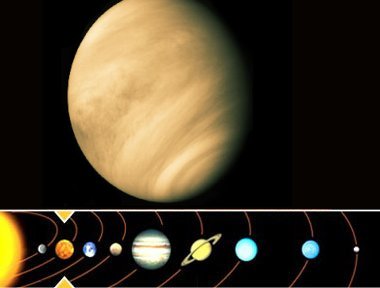
Birth Chart Planets
Every planet in a birth chart has a part to play, but some positions are more personal and immediately noticeable than others. The Sun and The Moon are usually the best place to start, followed by Mercury, Venus and Mars. Jupiter and Saturn add another important part of the picture, while Uranus, Neptune and Pluto often describe influences that develop over much longer periods. This does not mean that one group of planets matters and another does not. A planet can become particularly important because of its sign, house, aspects or position within the complete birth chart.
For someone reading a birth chart for the first time, trying to understand every planet at once can make things more difficult than they need to be. Start with The Sun and The Moon, then look at Mercury, Venus and Mars. These positions describe many of the qualities that are easiest to recognise in everyday life. Once these are understood, Jupiter, Saturn and the outer planets can be added to build a much fuller picture.
The Sun Is One of the Most Important Positions
The Sun is one of the first positions to look at because it represents the inner self, ego, power, self expression, creativity, vitality, health and well being. The position of The Sun at the time of birth determines the Sun Sign, commonly called the Star Sign. This is why so much popular astrology begins with The Sun. The Sun describes a central part of someone's personality and the way they express themselves. A strong Sun can bring confidence, independence and a clear sense of purpose. Its Zodiac sign shows the character through which these qualities are expressed, while its house shows the area of life where they can become particularly noticeable. Its aspects to other planets can support its natural qualities or make them more difficult to express. The Sun is important, but it does not describe the whole person. Two people born under the same Sun Sign can have very different personalities because The Moon, the other planets, the houses and the aspects in their birth charts will be different.
The Moon Is Just as Important
The Moon represents emotions, unconscious thoughts, memories, moods, nurturing, home, security and past experiences. It can describe feelings that are not always immediately obvious to other people. Someone can appear confident and outgoing through their Sun Sign while having a Moon position that is private, sensitive or cautious. The Moon can show what someone needs to feel comfortable and secure. It can also show how they react when they are hurt, worried or placed under emotional pressure. A person with The Moon in Cancer can have a particularly strong need for home, family and emotional security, while The Moon in Sagittarius can bring a greater need for freedom, movement and new experiences. Because The Moon moves quickly through the Zodiac, its position helps explain why people born under the same Sun Sign can have very different emotional characteristics. The Sun and The Moon together therefore give a much clearer picture than The Sun alone.
Mercury, Venus and Mars Make the Chart More Personal
After The Sun and The Moon, Mercury, Venus and Mars are particularly useful when trying to understand someone's personality. These planets describe thoughts, communication, relationships, desires, confidence, energy and action. Their positions can explain differences that are not obvious from the Sun Sign alone.
Mercury represents intellect, thoughts, communication, reasoning and adaptability. Its position shows something about the way someone thinks, speaks, learns and makes decisions. Mercury in Aries can be quick, direct and enthusiastic, while Mercury in Taurus can be slower, more methodical and determined. Mercury in Gemini can thrive on communication and new information, while Mercury in Virgo can be precise, practical and focused on detail.
Venus represents affection, harmony, balance, romantic relationships, pleasure and personal possessions. Its position can show what someone values and what they seek from relationships. Venus in Taurus can want loyalty, stability and physical affection, while Venus in Gemini can need conversation, variety and mental stimulation. Venus can also show someone's relationship with pleasure, beauty, possessions and social life.
Mars represents confidence, self assertion, sexuality, energy, strength, ambition, impulsiveness and physical activity. It can show how someone acts when they want something and how they deal with challenge or conflict. Mars in Aries can be quick and direct, Mars in Taurus patient and persistent, while Mars in Scorpio can be intense and determined. Together Mercury, Venus and Mars add a much more individual character to the birth chart.
Jupiter and Saturn Show Growth and Responsibility
Jupiter and Saturn move more slowly than the personal planets, but both can have an important influence on an individual birth chart. Jupiter is associated with growth, prosperity, good fortune, travel, religion, law, freedom and exploration. Its position can show where someone has confidence, where they seek further knowledge and where they want greater freedom or opportunity.
Jupiter can bring optimism and enthusiasm, but its influence can also become excessive. Confidence can become over confidence, generosity can become over indulgence and a willingness to take opportunities can become unnecessary risk taking. The sign, house and aspects of Jupiter help show how these qualities are likely to work.
Saturn represents restriction, boundaries, limitations, hard work, responsibility, practicality, reality, ambition, authority, discipline and a sense of duty. Its position can show where someone takes life seriously and where they can face greater responsibility or self doubt. Saturn can create difficulties, but it can also bring patience, endurance and the discipline needed to achieve something important. Jupiter encourages growth and expansion, while Saturn reminds us that success can also require work, patience and practical decisions.
What About Uranus, Neptune and Pluto?
Uranus, Neptune and Pluto move slowly through the Zodiac and can remain in the same sign for many years. This means large numbers of people can share the same Uranus, Neptune or Pluto sign. Their sign positions alone are therefore usually less personal than the positions of The Sun, The Moon, Mercury, Venus or Mars.
Uranus is associated with originality, intelligence, inventions, individuality, social interaction, radical ideas and freedom. Neptune is associated with idealism, compassion, imagination, illusion, deception and confusion. Pluto is associated with self empowerment, important endings and beginnings, and changes that can clear the way for something different.
These planets can still become very important in an individual birth chart. Their house positions show where their influence can become more noticeable, while strong aspects with The Sun, The Moon or the personal planets can make them much more personal. Uranus closely connected with The Sun, for example, can make independence and originality particularly noticeable. Neptune strongly connected with The Moon can increase imagination and sensitivity. Pluto connected with Mars can add intensity and determination.
Does the Ruling Planet Matter?
The ruling planet of the Ascendant can be particularly important when reading a birth chart. The Ascendant begins the First House and describes personality, appearance, behaviour and the way someone approaches new situations. The planet that rules the Zodiac sign on the Ascendant becomes the ruling planet of the chart.
If Aries is rising, Mars is the ruling planet. If Taurus or Libra is rising, Venus is the ruling planet. Gemini or Virgo gives Mercury, Cancer gives The Moon, Leo gives The Sun, Sagittarius gives Jupiter and Capricorn gives Saturn. Modern astrology usually gives Scorpio to Pluto, Aquarius to Uranus and Pisces to Neptune, although the traditional rulers Mars, Saturn and Jupiter can also be considered.
The sign and house of the ruling planet can therefore become an important part of the chart. Its aspects can also show whether its qualities are expressed easily or whether there are obstacles that need to be dealt with.
A Strong Planet Can Become More Important
Not every birth chart gives the same amount of importance to every planet. One planet can become particularly noticeable because it is in a strong position. A planet in domicile is positioned in the Zodiac sign that it rules, allowing its natural qualities to be expressed more directly. A planet can also be strong through exaltation or through important positions and aspects elsewhere in the chart.
Several planets can also concentrate attention on one sign or one part of the birth chart. When this happens, the qualities connected with those planets can become difficult to overlook. Someone with several strong Mars influences can be particularly active, ambitious or competitive. Strong Venus influences can place greater importance on relationships, harmony, pleasure or possessions. Strong Saturn influences can bring responsibility, discipline and ambition but can also increase restriction or self doubt. This is why there is no fixed rule saying that one planet must always be the most important planet in every birth chart. The complete chart decides which planetary influences become strongest.
The Houses and Aspects Change the Importance of the Planets
A planet's Zodiac sign tells us how its qualities are expressed, but its house shows where those qualities are likely to become important. Venus in the Second House can place greater emphasis on possessions, comfort and personal values, while Venus in the Seventh House can place more attention on relationships and partnerships. Mars in the First House can make confidence, action and self assertion easy to notice, while Mars elsewhere in the chart can express the same qualities through a different part of life.
Aspects also change the way planets work. The Sun closely connected with Saturn will not operate in exactly the same way as The Sun strongly connected with Jupiter. The Moon connected with Venus can express emotions differently from The Moon connected with Mars or Pluto. A planet that appears less important when looking only at its sign can become a major influence because of several strong aspects. This is one reason planets should not be judged separately for too long. Sign, house and aspects need to be brought together before deciding how important a planet really is.
Which Planets Should a Beginner Read First?
For a beginner, The Sun and The Moon are the clearest starting point. The Ascendant should then be considered because it establishes the houses and gives another important view of personality and behaviour. Mercury, Venus and Mars should follow because they describe thought, communication, affection, relationships, desire, energy and action.
Jupiter and Saturn can then be added to show growth, opportunity, responsibility, restriction and ambition. Uranus, Neptune and Pluto should not be ignored, but their personal importance becomes much clearer once their houses and aspects are considered. The ruling planet of the Ascendant and any planet in a particularly strong position should also receive close attention.
This order gives a beginner a practical way to read the chart without trying to understand everything at once. Each additional planet adds more information to what is already known rather than replacing the positions that came before it.
Which Planets Matter Most in a Birth Chart?
The Sun, The Moon, Mercury, Venus and Mars are usually the most immediately personal planets in a birth chart, with The Sun and The Moon providing the strongest starting point. Jupiter and Saturn add important information about growth, responsibility, ambition and limitations, while Uranus, Neptune and Pluto can become highly important through their houses and aspects.
There is therefore no single planet that matters most in every birth chart. The ruling planet, a planet in a strong position or a planet making several important aspects can become one of the dominant influences in an individual chart. The best approach is to start with The Sun and The Moon, add the personal planets, and then consider the remaining planets as part of the complete birth chart. The planets matter most when their positions and relationships are read together rather than in isolation.
 Aries
Aries Taurus
 Gemini
 Cancer
 Leo
Leo Virgo
Virgo Libra
Libra Scorpio
 Sagittarius
 Capricorn
 Aquarius
 Pisces