


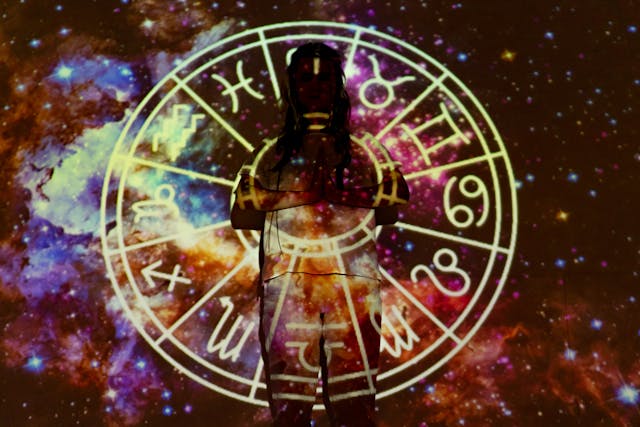
Where Do I Start When Reading My Birth Chart?
A birth chart can look complicated when you first see one. There are twelve Zodiac signs, twelve houses, planets, degrees and aspects, with lines crossing between different parts of the chart. Trying to understand everything at the same time can quickly become confusing. The easiest way to start is with the most important positions. Find The Sun, The Moon and the Ascendant first. These three positions provide a useful starting point for understanding personality, emotions and the way someone approaches life. You can then look at the other planets and the Zodiac signs they occupy. After this, look at the houses to see which areas of life are influenced by those planets. Aspects can be considered once you understand the main positions. There is no need to understand the complete chart immediately. A birth chart contains a considerable amount of information. Reading it in a sensible order makes it much easier to understand how the different parts work together.
Start With The Sun
The Sun is a good place to begin because most people already know their Sun sign. This is the Zodiac sign normally used when someone says they are Aries, Taurus, Gemini or one of the other twelve signs. The Sun represents the inner self, ego, power, self expression, creativity and vitality. Its position can describe important qualities of someone's personality and the way they want to express themselves. Someone with The Sun in Aries can be bold, independent and confident. The Sun in Cancer can bring greater sensitivity and a strong connection with home and family. The Sun in Capricorn can bring ambition, responsibility and determination. The Sun sign is important, but it does not describe the complete personality. It is the first part of the birth chart rather than the final answer. Once you have found The Sun, look at the house it occupies. This shows an area of life where the qualities of The Sun can become particularly important.
Find The Moon
The Moon should be one of the next positions you examine. While The Sun describes important parts of the inner self and self expression, The Moon is closely connected with emotions, unconscious thoughts, memories and moods. The Moon can show what makes someone feel comfortable and secure. It is also associated with home, nurturing and past experiences. Someone can have a confident and outgoing Sun sign but a much more sensitive Moon sign. They can appear strong around other people while privately needing considerable reassurance and emotional security. Another person can have a quiet Sun sign but a more independent Moon. They can need freedom and personal space even though their outward personality appears cautious. This is one reason why the Sun sign alone cannot explain everything about someone. The Moon adds another important part of the personality.
Find Your Ascendant
The Ascendant, also known as the Rising Sign, is another important starting point. It is the Zodiac sign that was rising at the time and place of birth. The Ascendant begins the First House and can show how someone approaches life, new situations and other people. Its qualities can be particularly noticeable when someone first meets us. A confident Rising Sign can make someone appear more outgoing than their Sun sign suggests. A cautious Rising Sign can make someone appear quiet or reserved even when other parts of the birth chart are much more sociable. The Ascendant also determines the position of the houses. This is why an accurate birth time is important. Without the correct birth time, the Ascendant and house positions can be wrong. The Sun, The Moon and the Ascendant together provide a strong foundation for reading the rest of the chart.
Look at The Sun, The Moon and the Ascendant Together
Once you have found these three positions, compare them rather than reading each one separately. They can have similar qualities. Someone can have several strong, confident or independent signs in these positions. This can make those characteristics particularly noticeable. They can also be very different. A person can have an adventurous Sun, a cautious Moon and a sociable Ascendant. Different qualities can become stronger in different situations. This does not mean the birth chart contradicts itself. People can be confident in one situation and uncertain in another. They can enjoy socialising but still need time alone. They can be practical about work but much more emotional in relationships. The birth chart contains different parts of the same personality. Looking at The Sun, The Moon and the Ascendant together begins to show how those parts fit together.
Move on to the Personal Planets
After The Sun and The Moon, look at Mercury, Venus and Mars. These planets have a direct influence on important parts of everyday life. Mercury represents intellect, thoughts, communication and reasoning. Its Zodiac sign can show how someone thinks, learns and communicates with other people. Venus represents affection, harmony, romance, relationships and pleasure. Its position can show what someone values in relationships and how they express affection. Mars represents confidence, self assertion, energy, strength and ambition. It can show how someone takes action, deals with competition and asserts themselves when they want something. These planets add considerable detail to the basic personality shown by The Sun, The Moon and the Ascendant.
Look at Mercury
Mercury is particularly useful when trying to understand how someone thinks and communicates. Someone with Mercury in a Fire sign can express ideas with confidence and enthusiasm. Mercury in an Earth sign can be more practical and careful. Mercury in an Air sign can enjoy conversation, ideas and intellectual interests. Mercury in a Water sign can be more intuitive and influenced by feelings. The house containing Mercury can show where communication, learning and thought become particularly important. Mercury in a house connected with relationships can make communication important when dealing with other people. Mercury in an area connected with work can place greater importance on knowledge, organisation or exchanging ideas. The sign describes how Mercury works. The house helps show where its influence is likely to become noticeable.
Look at Venus
Venus is important when reading relationships, affection, pleasure and the things someone values. The Zodiac sign containing Venus can show how someone approaches romance and what they look for in a relationship. Some Venus signs need considerable affection and reassurance. Others place greater importance on independence, communication or stability. Venus can also show interests involving beauty, possessions, music, fashion and pleasure. The house containing Venus shows an area where harmony and enjoyment can become important. It can also show where someone is particularly interested in getting along with other people. Venus should not be used alone to judge someone's relationships. The Moon, Mars, the houses and aspects can all add more information.
Look at Mars
Mars shows how someone uses energy and takes action. It is associated with confidence, self assertion, ambition, physical activity and the willingness to compete. A strong Mars can make someone determined and willing to take control. A more cautious Mars can prefer to wait until the right moment before acting. Mars can also show how someone reacts when they become angry or frustrated. Some people confront problems immediately. Others avoid conflict until they can no longer ignore it. The house containing Mars can show where someone puts considerable energy and effort. It can also show an area where competition, impatience or disagreements are more likely to appear. Understanding Mars helps explain what makes someone act rather than simply think or feel.
Then Look at Jupiter and Saturn
Jupiter and Saturn provide another layer of information. Jupiter is associated with growth, prosperity, good fortune, travel, beliefs and exploration. Its position can show where someone is optimistic and willing to expand their experience. Jupiter can also encourage too much confidence. Someone can take unnecessary risks or expect things to work out without making enough effort. Saturn has a very different influence. It represents restriction, boundaries, limitations, hard work, responsibility and discipline. The position of Saturn can show where someone feels greater responsibility or where progress requires patience and effort. There can be self doubt or fear of failure, particularly when someone is younger or inexperienced. Jupiter can show where we want to expand. Saturn can show where we need to be more careful and disciplined.
Look at Uranus, Neptune and Pluto
Uranus, Neptune and Pluto move much more slowly through the Zodiac. Many people born within the same period can therefore have these planets in the same signs. Their house positions and aspects can provide more personal information. Uranus is associated with originality, independence, freedom and sudden change. Its position can show where someone dislikes restrictions and wants greater freedom. Neptune represents imagination, compassion, idealism, illusion and confusion. Its position can show where someone is sensitive and imaginative but also where it can be more difficult to see things clearly. Pluto is associated with self empowerment, endings, beginnings and important changes. Its position can show an area where someone can experience considerable change and develop greater strength through experience. These planets are important, but beginners do not need to start with them. The personal planets usually provide more immediately recognisable information.
Then Read the Houses
Once you understand what the planets represent, look at the houses. The twelve houses divide the birth chart into different areas of life. A planet tells you what kind of influence is involved, while the house helps show where that influence operates. The First House is associated with the self, personality and the way someone approaches life. Other houses deal with subjects including possessions, communication, home, relationships, work, career, friendships and other important areas of experience. A planet can therefore have the same Zodiac sign in two different birth charts but appear in different houses. Its basic qualities remain similar, but the area of life where they become important can change. This is why houses add so much information to a birth chart.
Read the Sign and House Together
A useful way to read any planet is to ask two simple questions. What sign is the planet in, and what house is it in? The Zodiac sign describes how the planet expresses its qualities. The house describes where those qualities are most likely to become important. Mars in Capricorn, for example, can bring disciplined ambition and determination. The house containing Mars shows where that energy and determination are directed. Venus in Libra can place considerable importance on harmony, balance and relationships. Its house position shows where these qualities are likely to become most noticeable. This approach prevents the chart from becoming a collection of separate descriptions. The planet, sign and house work together.
Look at the Ruling Planet of the Ascendant
Once you are comfortable with the basic chart, find the ruling planet of your Ascendant. If Aries is rising, look at Mars. If Taurus or Libra is rising, look at Venus. Gemini and Virgo are ruled by Mercury. Cancer is ruled by The Moon. Leo is ruled by The Sun. Scorpio is ruled by Pluto, Sagittarius by Jupiter, Capricorn by Saturn, Aquarius by Uranus and Pisces by Neptune. The sign and house containing this ruling planet can provide more information about the way someone approaches life and the direction they are likely to take. This does not mean the ruling planet controls the complete chart. It is another important position that can help connect the Ascendant with the rest of the birth chart. It is easier to understand its importance after you already know what the planets, signs and houses represent.
Leave the Aspects Until Later
Aspects show the relationships between planets. They are important, but they can make a birth chart look much more complicated when you are just beginning. Conjunctions, sextiles, squares, trines and oppositions describe different relationships between planetary positions. Some aspects allow planetary qualities to work together more easily. Others can create conflict, pressure or differences that require greater effort. Do not worry about understanding every line across the chart immediately. Begin with the strongest and most important aspects once you already understand the planets involved. A square between Mars and Saturn is much easier to understand when you already know what Mars and Saturn represent.
Do Not Try to Read Everything Separately
One of the easiest mistakes when reading a birth chart is treating every position as a separate description. Someone reads their Sun sign, then their Moon sign, then Mercury, Venus and Mars. Some descriptions fit perfectly while others appear to contradict each other. The answer is not to choose the description that sounds best and ignore the others. The positions need to be considered together. A cautious Saturn can restrict an impulsive Mars. A confident Jupiter can help someone deal with a more uncertain part of the chart. A sensitive Moon can change the way a bold Sun expresses itself. The birth chart becomes more useful when these different influences are allowed to work together.
Do Not Worry About Every Degree at First
Every planet occupies a particular degree of a Zodiac sign. Degrees are important for calculating aspects and understanding exact planetary positions. They do not need to be the first thing a beginner studies. Start by learning what the planets represent, which signs they occupy and which houses they are in. Once these basic parts make sense, degrees become much easier to understand. The same applies to smaller details in the chart. Trying to learn everything at once can make astrology appear much more difficult than it needs to be. Build your knowledge gradually and return to the chart as you learn more.
Start With the Most Noticeable Patterns
After you understand the individual positions, look for anything that appears several times. There can be several planets in the same Zodiac sign or house. Several planets can also occupy signs of the same element. A chart with many Fire signs can have considerable confidence, enthusiasm and energy. Strong Earth can increase practicality and the need for stability. Air can increase communication, ideas and social interests. Water can increase sensitivity, emotions and intuition. Repeated qualities are worth noticing because they can become a strong part of the personality. You do not need to count every possible influence immediately. Look first for the patterns that are easy to recognise.
Keep Returning to the Complete Birth Chart
As you learn more, return to the complete chart. A position that seemed unimportant at first can make much more sense once you understand another planet, house or aspect. Something that appeared contradictory can become easier to explain when the different influences are considered together. This is also why a birth chart cannot be reduced to one Zodiac sign. Two people with the same Sun sign can have different Moon signs, Ascendants, planetary positions, houses and aspects. The more of the chart you understand, the more individual it becomes. There is no need to rush. Learning the main planets and positions first gives you a foundation that makes the more complicated parts easier to understand later.
Where Do I Start When Reading My Birth Chart?
Start with The Sun, The Moon and the Ascendant. These positions provide a useful introduction to personality, emotions and the way you approach the outside world. Next look at Mercury, Venus and Mars. Then examine Jupiter and Saturn before moving on to Uranus, Neptune and Pluto. Once you understand the planets, look at the houses they occupy. Read the planet, Zodiac sign and house together rather than treating each position separately. Aspects and degrees can come later. They add important detail, but they are much easier to understand when you already know the planets involved. A birth chart does not need to be understood in one sitting. Start with the main positions, learn what each one represents and gradually bring the different parts together. What first appears to be a complicated collection of signs, planets and lines can eventually become a much clearer picture of the complete personality.
 Aries
Aries Taurus
 Gemini
 Cancer
 Leo
Leo Virgo
Virgo Libra
Libra Scorpio
 Sagittarius
 Capricorn
 Aquarius
 Pisces