


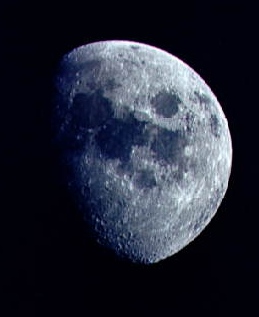
The New Moon marks the beginning of each lunar cycle. At this moment the Sun and Moon occupy the same zodiac sign and degree, and the Moon’s illuminated side faces away from Earth. In astrology, this alignment symbolises a reset point. It is the stage of the lunar cycle associated with beginnings, intention, and the quiet emergence of new developments.
Each New Moon occurs in a particular zodiac sign. The sign describes the tone of the cycle that follows. For example, a New Moon in Aries emphasises initiative and action, while a New Moon in Taurus highlights stability and practical growth. The influence of the New Moon usually unfolds over the following four weeks, building toward the Full Moon that completes the cycle.
Below is the New Moon calendar for 2026, showing the date of each lunation and the zodiac sign in which it occurs.
New Moon Dates and Zodiac Signs in 2026
| Date | Zodiac Sign | Astrological Theme |
|---|---|---|
| 19 January 2026 |
Capricorn | Discipline, responsibility, long-term planning |
| 17 February 2026 |
Aquarius | Reflection, emotional awareness, release of old patterns |
| 18 March 2026 |
Pisces | Compassion, intuition, spiritual renewal |
| 16 April 2026 |
Aries | Initiative, courage, personal direction |
| 16 May 2026 |
Taurus | Stability, resources, material foundations |
| 14 June 2026 |
Gemini | Communication, learning, exchange of ideas |
| 13 July 2026 |
Cancer | Home, family, emotional security |
| 11 August 2026 |
Leo | Creativity, confidence, personal visibility |
| 9 September 2026 |
Virgo | Organisation, work, health routines |
| 9 October 2026 |
Libra | Relationships, balance, cooperation |
| 7 November 2026 |
Scorpio | Transformation, emotional truth |
| 7 December 2026 |
Sagittarius | Exploration, belief systems, long-term vision |
Why New Moons Matter in Astrology
A New Moon occurs when the Sun and Moon align at the same point in the zodiac. Because the Moon reflects the Sun’s light, the lunar surface appears dark from Earth during this phase. Symbolically, the absence of light represents the beginning of a cycle rather than its completion.
In astrological practice, the New Moon represents the point where new themes begin to form. These themes are not always immediately visible. Like seeds placed in soil, they develop gradually over the following weeks. By the time the Moon reaches its Full phase, the results of these beginnings tend to become clearer.
This is why astrologers often associate the New Moon with intention. It is considered a favourable time to begin projects, set goals, or redirect attention toward a new priority.
The Zodiac Sign Defines the Direction
The sign of the New Moon shapes the focus of the cycle.
A Capricorn New Moon emphasises structure, ambition, and long-term goals.
A Gemini New Moon encourages conversation, learning, and movement between ideas.
A Cancer New Moon draws attention to home life, family bonds, and emotional security.
These themes tend to unfold gradually over the month that follows.
Because the New Moon occurs in the same sign as the Sun, the wider seasonal atmosphere reinforces the same themes. For example, the New Moon in Aries takes place during Aries season, intensifying the emphasis on initiative and leadership.
The Rhythm of the Lunar Year
The New Moon calendar reveals the steady rhythm of the lunar year. Every twenty nine and a half days the Moon begins another cycle, moving through each zodiac sign in turn. This rhythm creates a repeating pattern of beginnings and culminations.
Astrologers often track these cycles to understand timing. New Moons indicate when something begins to develop, while Full Moons reveal the results of those developments. Together they form the framework of the lunar calendar.
Following the New Moon dates through the year allows you to observe how these cycles unfold in practice. Some months bring subtle beginnings. Others introduce changes that become visible very quickly. Over time, the repeating rhythm of the Moon offers a useful perspective on how events develop and resolve.
Sources and References:
Astronomical lunar phase dates are derived from published lunar phase calculations provided by NASA’s Goddard Space Flight Center and the United States Naval Observatory. Zodiac sign positions for each New Moon and Full Moon are determined from standard astronomical ephemeris data showing the Sun and Moon’s zodiac longitude at the exact moment of the lunation. Interpretive principles regarding lunar cycles are drawn from classical astrological texts including Claudius Ptolemy’s Tetrabiblos, Vettius Valens’ Anthologies, and William Lilly’s Christian Astrology, alongside modern astrological analysis such as Dane Rudhyar’s The Lunation Cycle.
 Aries
Aries Taurus
 Gemini
 Cancer
 Leo
Leo Virgo
Virgo Libra
Libra Scorpio
 Sagittarius
 Capricorn
 Aquarius
 Pisces